Atlanta is not just a bustling metropolitan city known for its rich history and vibrant culture; it is also an emerging hotspot for real estate investments, particularly in the hospitality sector. With its diverse economy, thriving tourism industry, and a steady influx of business travelers, Atlanta offers a plethora of opportunities for those interested in purchasing hotels. Investors seeking to capitalize on this dynamic market will find that there are numerous hotels for sale in Atlanta GA, catering to various budgets and goals.
As you explore the landscape of hotels available for sale, it’s essential to consider the strategic locations within the city that can enhance your investment potential. Areas such as downtown Atlanta and Buckhead boast proximity to major attractions, convention centers, and business districts, making them prime locations for hotel developments. By identifying the right neighborhood, you can ensure that your investment not only attracts guests year-round but also appreciates in value over time.
In addition to location, understanding the current market trends and future growth projections will play a significant role in your decision-making process. Atlanta's hospitality industry is poised for growth, thanks to its ongoing infrastructure improvements and increasing appeal as a travel destination. Whether you are a seasoned investor or a first-time buyer, immersing yourself in the options of hotels for sale in Atlanta GA will empower you to make an informed and profitable investment in this vibrant city.
Our Top 10
(Sorted by rating & number of reviews)
Boutique Hotels for Sale in Atlanta GA
Check Availability
Hyatt Regency Atlanta


Glenn Hotel, Autograph Collection


The Ritz-Carlton Atlanta


Luxury Hotels for Sale in Atlanta GA
Atlanta's luxury hotel market presents enticing opportunities for investors aiming for upscale clientele and high returns. These hotels typically offer lavish accommodations, world-class services, and convenient access to the city's most sought-after attractions. As the demand for luxury experiences continues to rise, hotels for sale in Atlanta GA that cater to affluent guests are becoming highly desirable investments. In this section, we'll spotlight several luxurious properties, emphasizing their unique offerings and strong market presence.
The Georgian Terrace Hotel


Moxy Atlanta Midtown





Jw Marriott Atlanta Downtown


Family-Friendly Hotels for Sale in Atlanta GA
Atlanta is a fantastic destination for family vacations, and the city boasts several family-friendly hotels that make for excellent investment opportunities. These hotels typically feature amenities designed for guests of all ages, ensuring that families have a comfortable and enjoyable stay. Investors exploring hotels for sale in Atlanta GA will find a range of properties that cater to families, providing them with unique experiences while visiting local attractions. In this section, we’ll examine several family-oriented hotels, highlighting how they meet the needs of this lucrative market segment.
The Westin Peachtree Plaza, Atlanta


Four Seasons Hotel Atlanta


Artmore Hotel


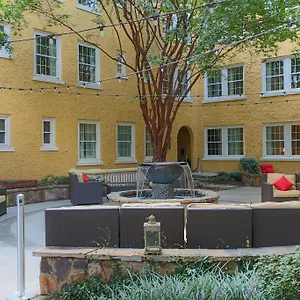


Trendy Hotels for Sale in Atlanta GA
The trendy hotel scene in Atlanta is on the rise, appealing to young professionals and adventurous travelers seeking unique experiences. These hotels often place an emphasis on modern design, innovative offerings, and a vibrant atmosphere that resonates with millennial and Gen Z travelers. If you’re considering hotels for sale in Atlanta GA with a trendy flair, you’ll find a variety of properties that stand out in a competitive market. In this section, we’ll showcase several trendy hotels that are not only fashionable but also present strong investment potential.
Hotel Indigo Atlanta Midtown By Ihg


Hilton Atlanta


Element By Marriott Atlanta Buckhead



Historic Hotels for Sale in Atlanta GA
Atlanta is steeped in history, and its historic hotels offer a unique blend of charm and modern amenities, making them appealing investment opportunities. These hotels often feature classic architectural designs and nostalgic decor, attracting travelers interested in experiencing the city's rich past. Investing in hotels for sale in Atlanta GA that are rooted in history can provide not just financial returns, but also a chance to preserve pivotal sites for future generations. This section will highlight several historic hotels that stand out in the market, showcasing their heritage, significance, and potential profitability.
Eco-Friendly Hotels for Sale in Atlanta GA
Sustainability is becoming increasingly important in the hospitality industry, and eco-friendly hotels in Atlanta cater to environmentally conscious travelers. These hotels often incorporate green practices, energy-efficient technologies, and local sourcing to create a more sustainable travel experience. For investors looking for hotels for sale in Atlanta GA with a commitment to sustainability, the options highlighted in this section showcase properties that prioritize environmental stewardship while providing attractive guest experiences.
Conference and Event Hotels for Sale in Atlanta GA
Atlanta is known as a major hub for business and conferences, making hotels with event spaces particularly attractive investments. These properties typically offer large meeting rooms, state-of-the-art technology, and amenities designed to accommodate corporate clients. For those interested in hotels for sale in Atlanta GA that cater to the business sector, the following properties highlight their strong presence in the conferencing market. This section will delve into several hotels renowned for their event facilities, emphasizing how they cater to the busy business traveler.